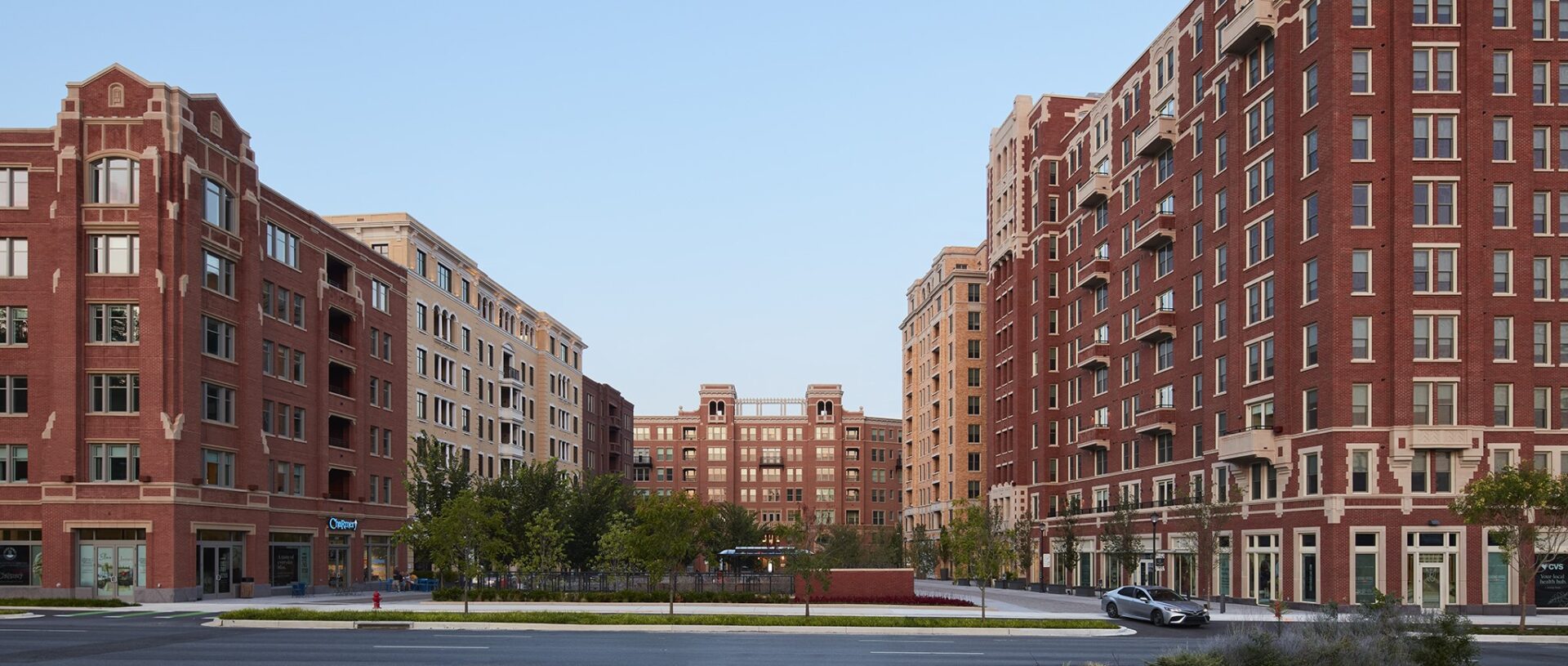
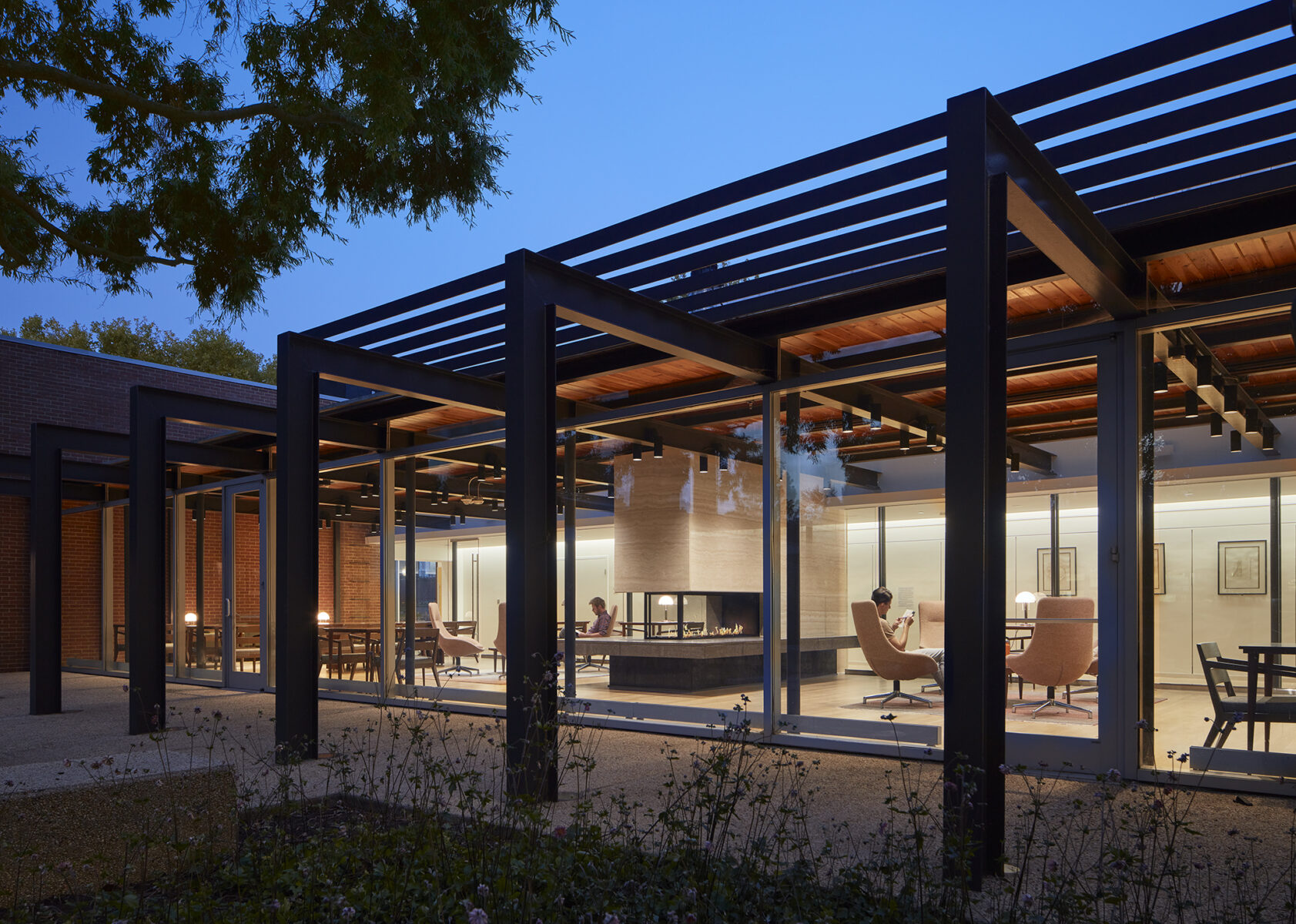
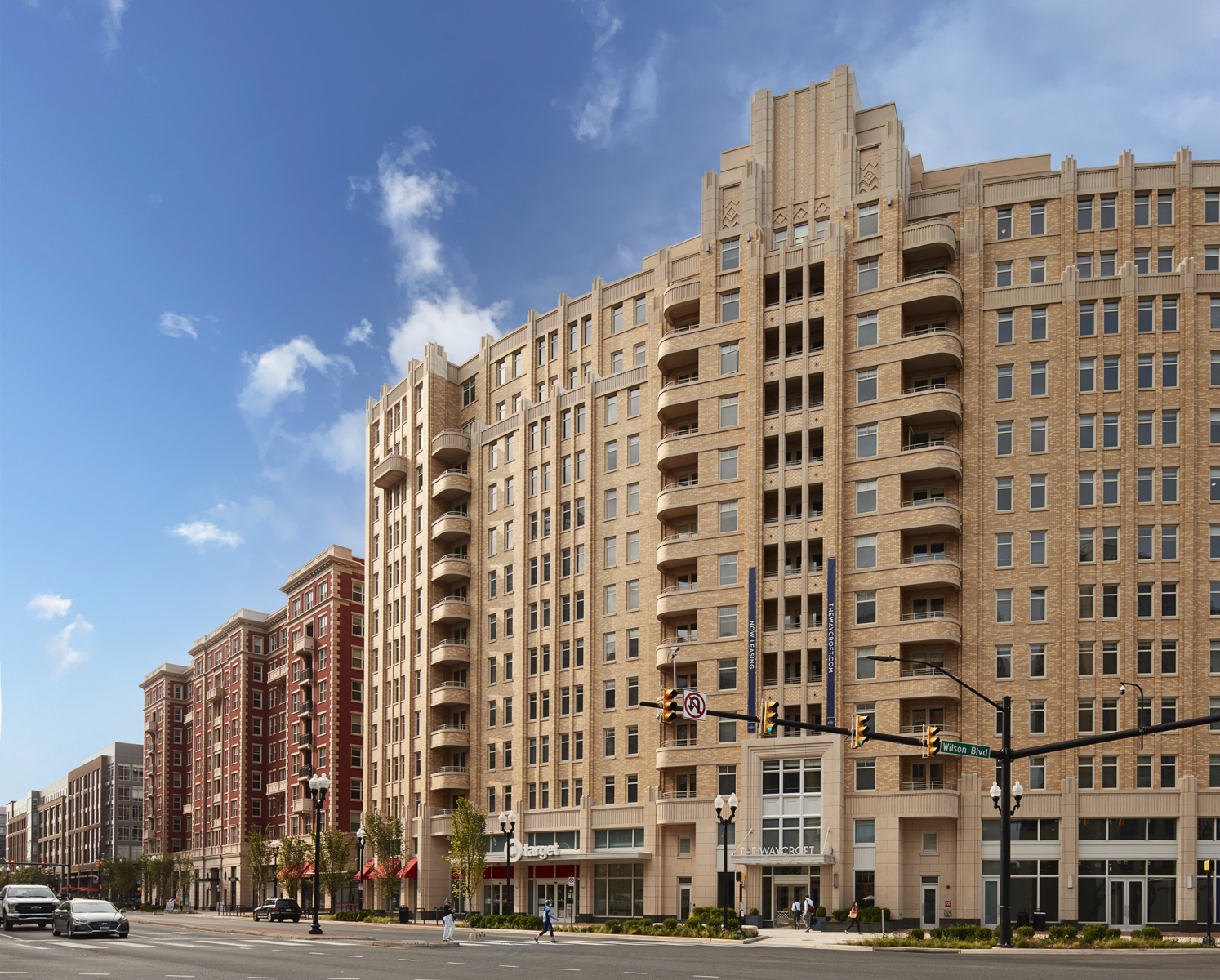
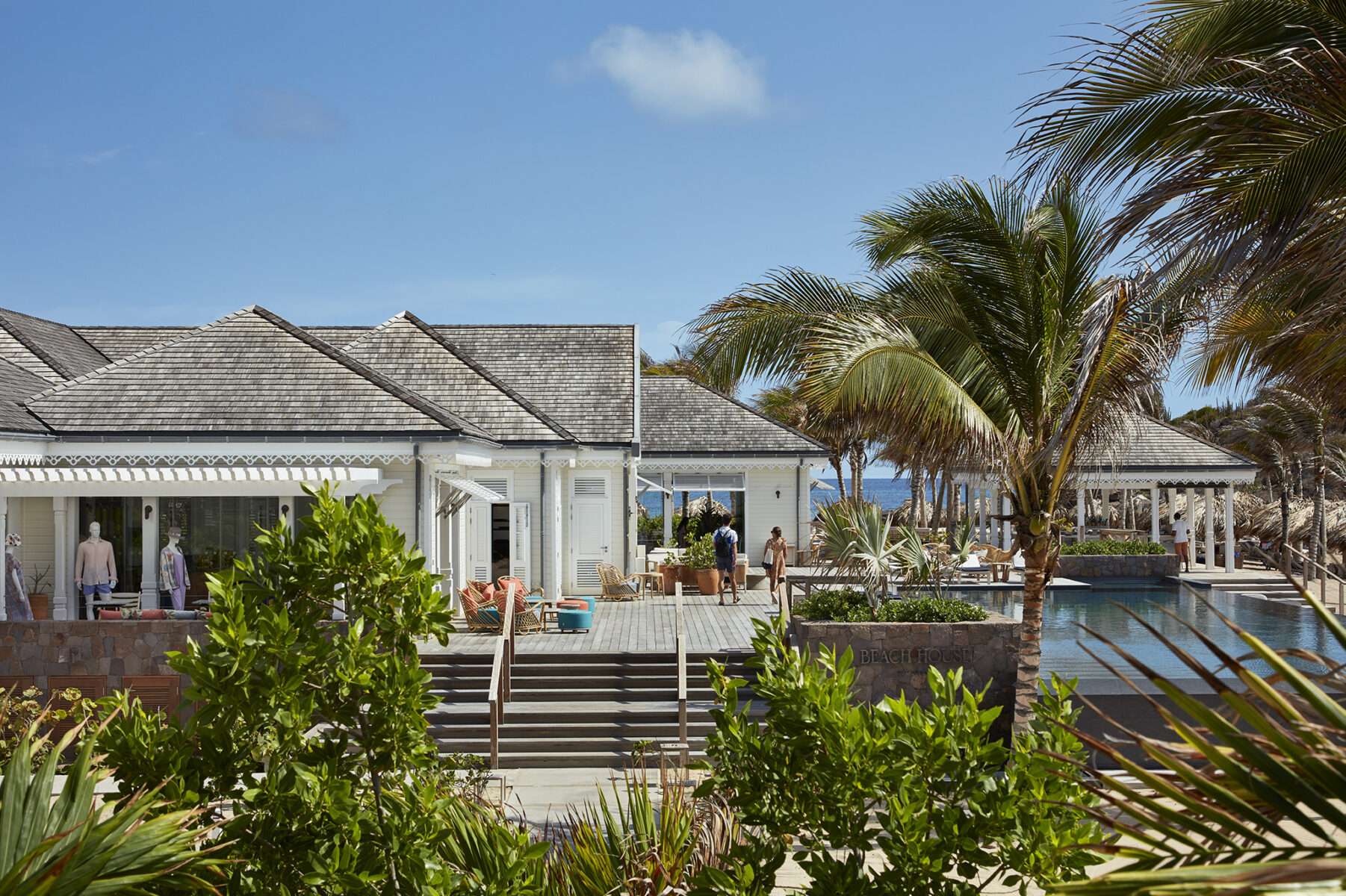
David M. Schwarz Architects, Inc. is a design-oriented architecture firm that sees architecture as both an art and a service. The firm formed in 1976 in Washington, DC. Praise for our early historic preservation work earned us a reputation for “expressive” buildings. That reputation remains to this day.
Context is fundamental to our philosophy. Whether cultural, institutional, commercial, recreational, educational, mixed use, or residential, we see buildings as interactive parts of a larger whole. We design buildings of appropriate scale and detail to serve the people who use them.
-

The Smith Center for the Performing Arts
Las Vegas, NV - 2007
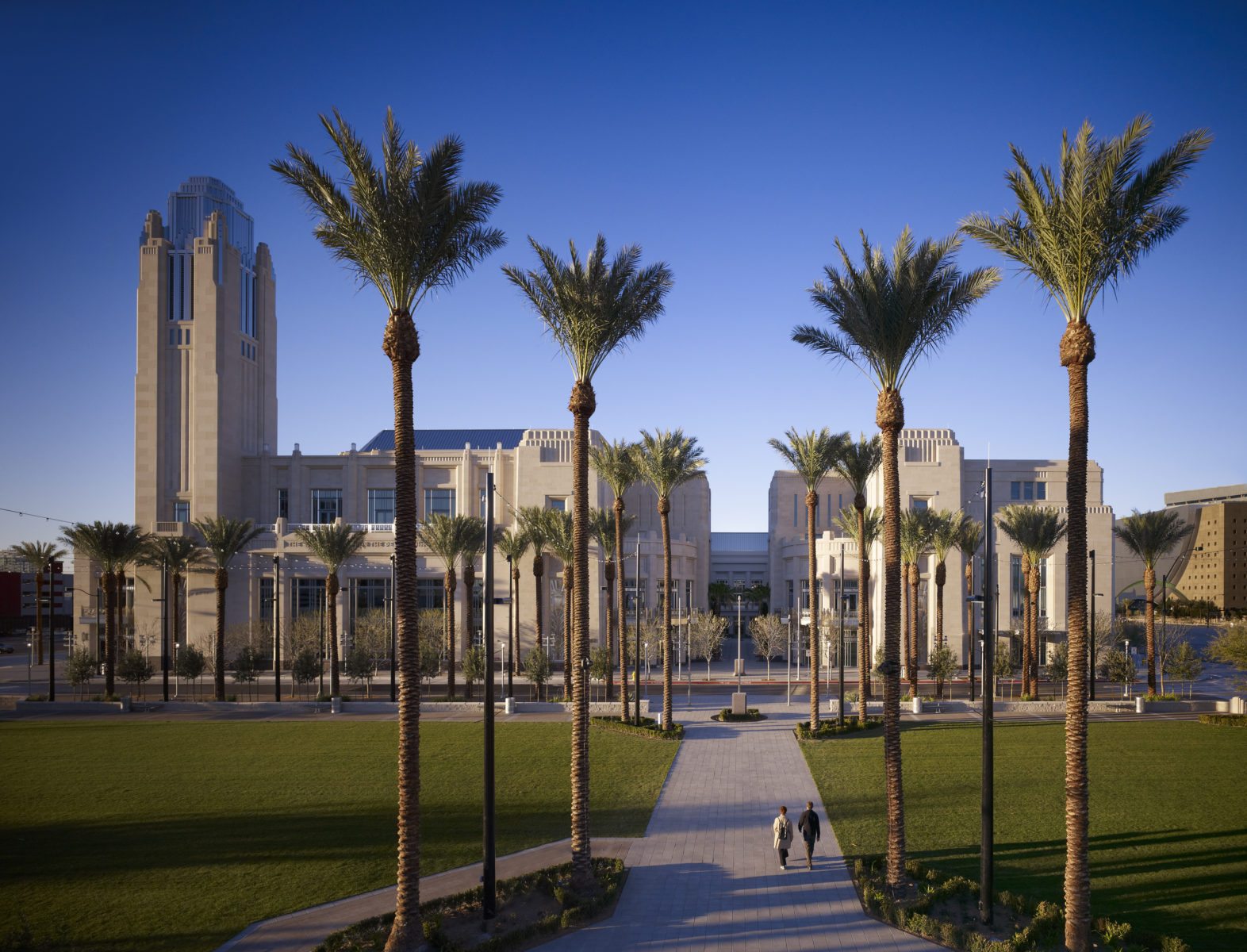
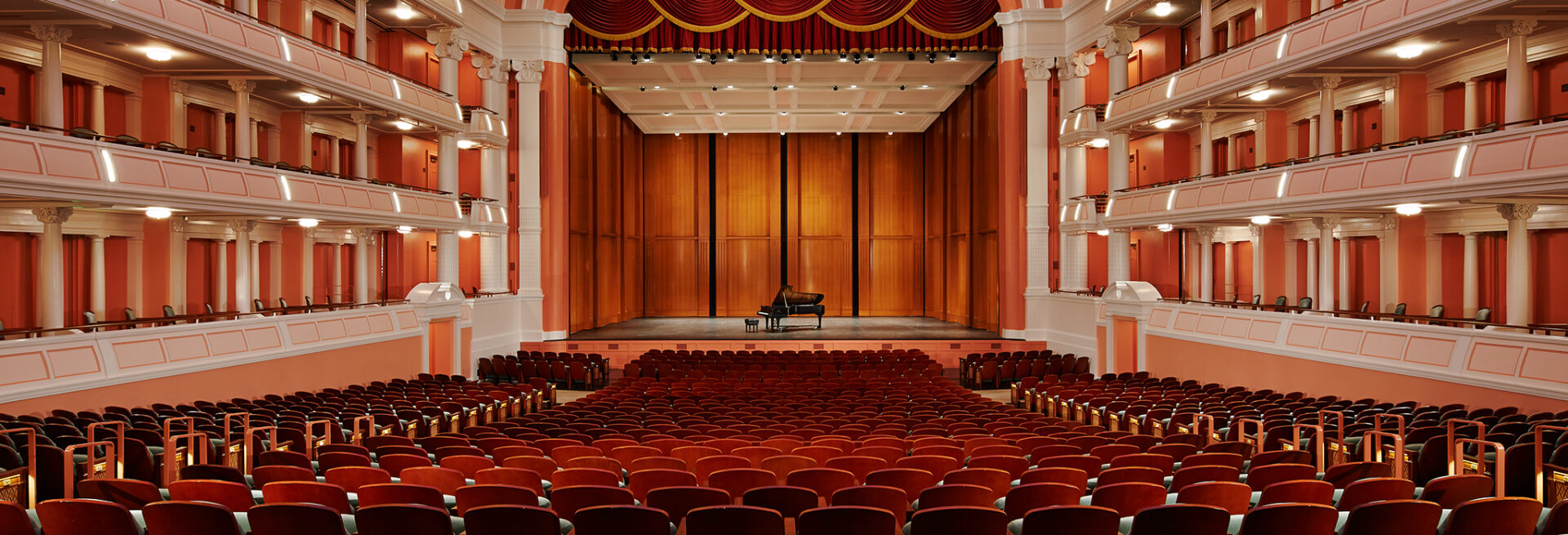
The Smith Center for the Performing Arts houses three performance spaces including a state-of-the-art 2,050-seat hall, and a cabaret theatre and flexible rehearsal space in the education center. The large theater is appropriate for first-run Broadway shows and major touring attractions, as well as symphony, opera, and dance. Opened in March 10, 2012, The Smith Center is the first major civic performance hall in the United States to earn LEED accreditation. Working with our sustainability consultant, Portland’s Green Building Services, the buildings achieved LEED Silver rating from the nation's foremost sustainability organization.
-

USC Upstate Johnson College of Business and Economics
Spartanburg, SC - 2008
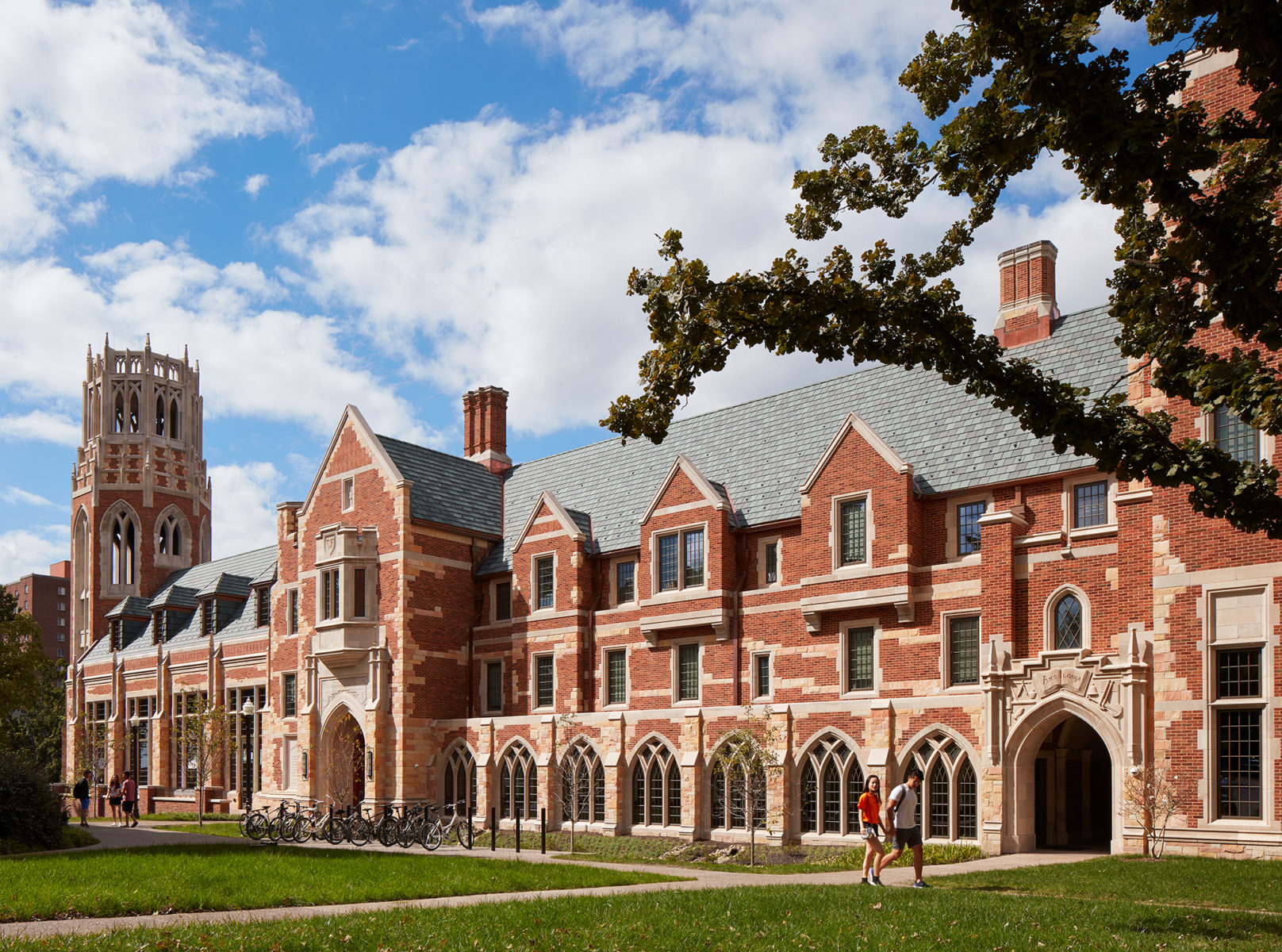
Charged with sparking economic redevelopment and reinvigoration in downtown Spartanburg, the 60,000 square foot, three-story George Dean Johnson, Jr. College of Business and Economics building is the University of South Carolina Upstate’s first downtown structure, and sits adjacent to the recently completed David M. Schwarz Architects-designed Chapman Cultural Center, reflecting a harmony with its next-door neighbor. The College includes a business incubator space for new ventures in addition to technology-enhanced classrooms and faculty offices. University and city officials see the College as an institution with great potential for the city of Spartanburg and a long-term commitment to higher education in the region. The project is in the process of obtaining LEED certification.
-

Southlake Town Square
Fort Worth, TX - 1996
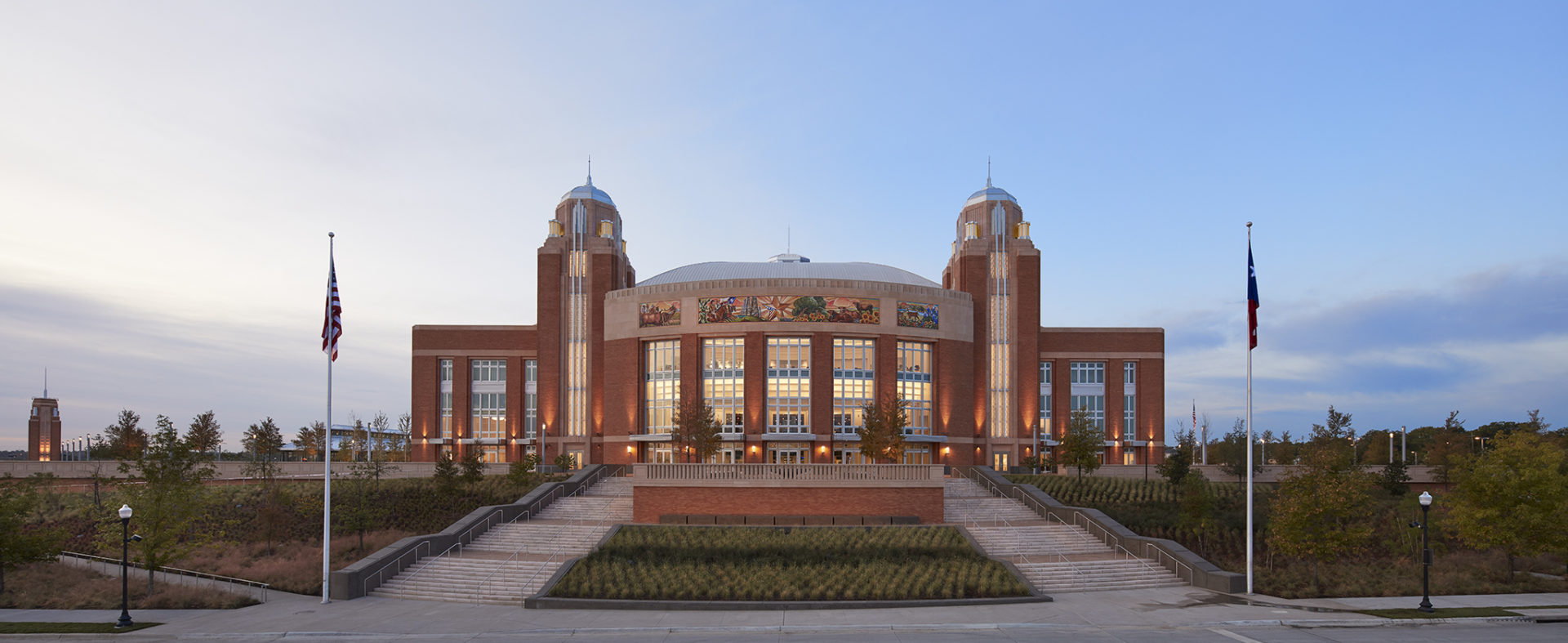
Located in a fast growing, north central Texas community, Southlake Town Square began in 1996 as a 135-acre, fifteen to twenty year master plan for the City’s new downtown that could accommodate growth and change, yet feel whole at each stage. The master plan was designed to accommodate a total build-out of approximately 2.7 million square feet, including retail, restaurant, office, residential and civic uses. With the Town Square at the focal point of the plan, the primary project goal was to create a development oriented to the pedestrian that would foster community. The square is activated with two-story “office over retail” uses lining its edges and through rich programming of evening concerts, weekend festivals, and parades. The City’s new town hall sits at the head of the square and solidifies its position as the center of Southlake’s civic life.
-

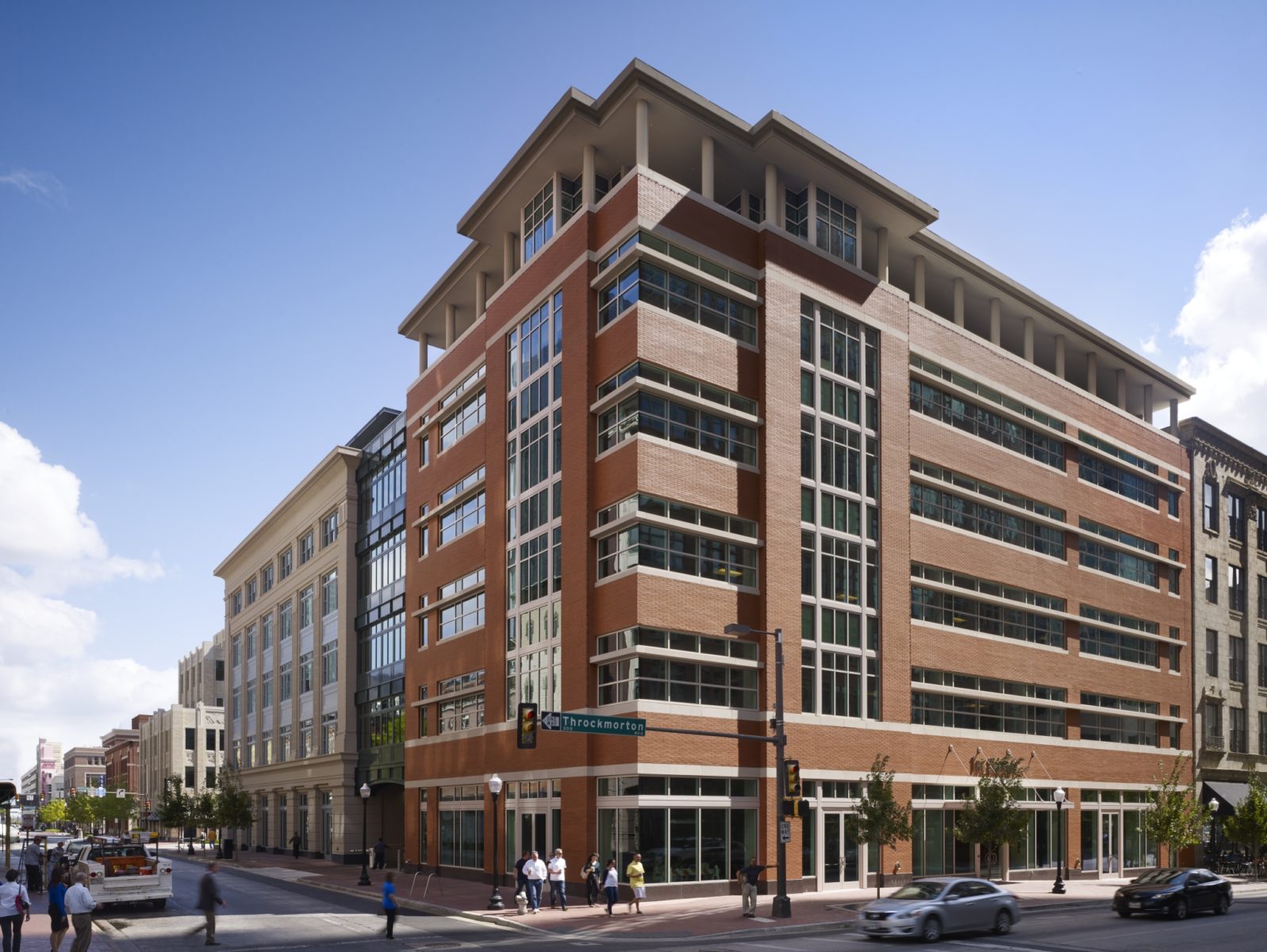
Tarrant County Jail
Fort Worth, TX - 2005
The five-level Tarrant County Jail is a much-needed expansion space. Occupying a full city block and linked by skybridge and tunnel to the existing jail across the street, the new jail will accommodate high security detention units for both male and female inmates, an infirmary and central kitchen, staff areas, and a public visitation facility. The County wanted a building that would blend into downtown Fort Worth without appearing overly institutional. The design is "Cowtown Deco" well known in Fort Worth. The building’s overall mass is broken down by end-bays that project forward slightly, subtle changes in the exterior wall planes, and a mix of brick, cast-stone, and granite in varying finishes and colors. The building is targeting LEED Certification.
-

Orioles Spring Training Facilities at Ed Smith Stadium
Sarasota, FL - 2009
The Ed Smith Stadium and Buck O'Neil Training Complex at Twin Lakes Park is spring training home to the Baltimore Orioles and a year-round rehabilitation facility. A new 2-level concourse transforms the existing stadium from 6,500 to 9,000 seats with new luxury suites, specialty concessions, landscaped berms and picnic areas.
-

13th & U Streets NW
Washington, DC - 2008
Accommodating an estimated 138 rental apartments, ranging in size from 635 to 1400 square feet, along with street level commercial uses, this new set of residences will further enhance the vibrant U Street corridor. The residential lobby will front onto U Street, flanked on each side by shop-fronts and retail entrances. Resident amenities include a club room, fitness area, and a rooftop pool. Below-grade off-street parking is also provided as well as accommodations for bicyclists. The building’s location takes advantage numerous of public transit options including several bus lines and the U street/Cardozo Metro Station located directly across 13th Street.
-

Gaillard Center
Charleston, SC - 2010
Gaillard Center is a 1960’s era, general purpose 2,700-seat auditorium and exhibit hall. DMSAS was commissioned in 2010 to lead the design of a renovation and expansion of the facility. The project scope includes a full renovation of the auditorium, renovation and expansion of the existing exhibit hall into a banquet facility and the construction of an office building that will accommodate several of the City’s departmental offices currently decentralized in rented spaces. The exterior will be radically reworked with new entrance porticos on two sides, the addition of the Municipal Offices, and the Banquet Hall. A galleria promenade running the width of the building between the two entrance porticos will serve as a shared lobby for the performance hall, banquet hall and offices.
-
Crown Farm
Gaithersburg, MD - 2010
Located on one of the last remaining large developable parcels in Montgomery County, Crown Farm will become a world class transit-oriented community of distinct neighborhoods interconnected by parks, woodlands, and walkable streets. Sited on approximately 180 acres, the project consists of over 2,000 residential units of varying types as well as 320,000 square feet of commercial and retail spaces in a variety of densities. David M. Schwarz Architects was commissioned to design the exterior facades of over 89,000 square feet of commercial space that will include a health club and various retail and restaurant tenants.
-

2700 Woodley
Washington, DC - 2011
2700 Woodley is a new eight-story high-end rental apartment building adjacent to the Marriott Wardman Park Hotel off Connecticut Avenue. The red brick and limestone facade echoes the historic hotel as well as the grand apartment buildings along Connecticut Avenue. The building employs a symmetry that upon a first glance seems rigid, but at closer look reveals eccentricities reminiscent of many traditional apartment buildings where the interior spaces inform window groupings and their arrangement on the facade. Private outdoor space was considered a necessary luxury, and most units include inset balconies or spacious terraces. An exclusive penthouse level defined by symmetrical pavilions and a colonnade expands the available space for entertaining.
-

The Pennsylvania Building
Washington, DC - 2010
The Pennsylvania Building, a Willco Companies development, is undergoing a third generation reincarnation. Originally built in the 1950’s and later redeveloped in the 1980’s by the Willco Companies, the building is being once again re-imagined and repositioned to exceed the high standards set by its high profile address at 1275 Pennsylvania, NW. The Pennsylvania Building flanks the east end of Freedom Plaza and is prominently located along the Presidential Inaugural Parade Route between the US Capitol and the White House. Renovation plans for the 250,000 SF building include re-skinning the lower three floors of the exterior stone façade, a new metal and glass office entry marquee, improvements to the garage entry ramp, gutting and redesign of the office lobby and entry sequence including a two-story domed volume, and renovation of the typical floor elevator lobbies and restrooms. Construction is scheduled to begin in early 2012.
-

Sundance Square - The Westbrook
Fort Worth, TX
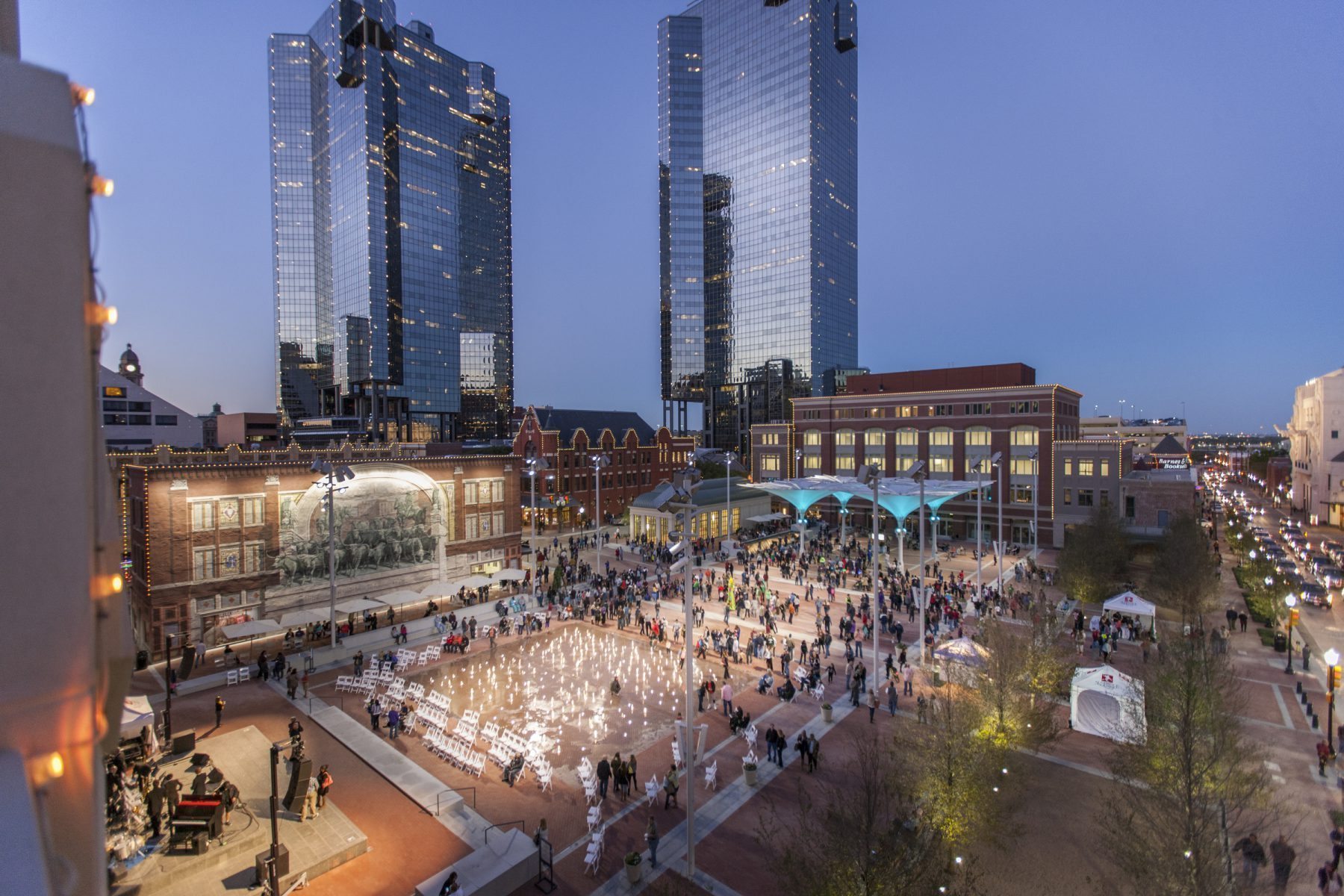
The Westbrook Building is a 6-story, 94,000 gross square feet multi-use building with ground floor retail and 5 floors of office above. Influenced by the existing, adjacent and historic buildings, the Houston Street Building steps up at the center of the block, giving the center bay a prominence that is appropriate for an office entry on Houston Street and a celebrated backdrop to the built-in stage on the Plaza, which culminates in a clock tower. A functional advantage of the stepped building massing is that it provides outdoor terraces for the upper office floors. The building is also broken down into smaller vertical bays to maintain an appropriate pedestrian scale along the sidewalk. The façade takes inspiration from several of downtown Ft. Worth’s older buildings and will include a rich mix of granite, limestone, brick and decorative aluminum.

David M. Schwarz
President & CEO
David M. Schwarz is President and CEO of David M. Schwarz Architects, Inc. He founded the firm in Washington, DC in 1976. In addition to his executive duties, Mr. Schwarz’s primary responsibility is as Principal in Charge of Design. He leads, orchestrates and reviews the design process of all the firm’s projects.
Mr. Schwarz received his B.A. at St. John’s College in Annapolis, MD, and Master of Architecture at Yale University. Mr. Schwarz currently serves as Chairman of the Yale School of Architecture Dean’s Council; a member of the Executive Committee of the Yale University Capital Campaign; a member of the jury of the Richard H. Driehaus Prize of the University of Notre Dame School of Architecture; on the Boards of Directors of the Wolfsonian Museum in Miami Beach Florida and the Youth Orchestra of the Americas in Arlington, VA; and a member of the National Council of the World Wildlife Fund. Additionally, he serves as the Jury Chairman for the Vincent J. Scully Prize Fund Endowment of the National Building Museum.

Tom Greene
Principal, Retired
Tom Greene is a Principal of David M. Schwarz Architects, Inc. He serves as Chairman of the Board of Directors. He has been with the firm since 1978. He served full-time as a Project Manager until his retirement at the end of 2010. He now works part-time.
Tom graduated Cum Laude from the University of Maryland where he also served as a teaching assistant. He is a licensed architect in 14 states and is LEED accredited. He is a member of the American Institute of Architects (AIA) and is certified by the National Council of Architectural Registration Boards (NCARB). He is actively involved in various professional organizations including the District of Columbia Building Industry Association (DCBIA). He was the firm’s liaison to the United States Green Building Council from 2001 until 2010. He currently serves on the Mid-Atlantic Association of Museums’ Building Museums Symposium Planning Committee.

Craig Williams
Project Manager & Principal
Craig Williams, Project Manager and Principal of David M. Schwarz Architects, Inc., has been with the firm since 1979. He received his education at The University of Maryland School of Architecture and was also an Architectural History teaching assistant. He has been registered in the District of Columbia since 1984.
Craig is known around the office for his sardonic humor and has mellowed tremendously over the years. One of the things he most appreciates about being an architect is learning through our work about the businesses and industries in which he has interests - Lunn Gallery & photography, Beringer & the wine industry, Concert Halls & classical music and opera.
Outside of the office Craig spends time with his wife Kim and their Dalmatian Lucky and pursues his interests in black and white photography, wine and cooking multi-course meals for friends and family - the latter is an activity he especially enjoys because it yields a first-class, gourmet feast and accompanying oohs and aahs in a fraction of the time it takes to complete a concert hall.

Michael Swartz
Principal
Michael Swartz is a Principal of David M. Schwarz Architects, Inc., serves as the Corporate Treasurer and works as a Project Manager. He has been with the firm since 1982. He is a graduate of Carnegie Mellon University and is registered in the District of Columbia and Georgia. Michael is LEED accredited, and is an active member of the Congress for New Urbanism, AIA, and ULI.
Michael is a bit of a workaholkic, but when he does manage to put his pencil down he can be found renovating his house (the one project he has managed that continues to elude all schedules), participating in volunteer activities in the community, doing pro-bono architecture for all his friends, or out and about with sketch pad and camera documenting the good, the bad and the ugly of the man-made world. Favorite movie: Dr. Strangelove; Favorite book: A Confederacy of Dunces; Least favorite activity: Sleep

Gregory Hoss
Project Manager & Principal
Gregory Hoss, Project Manager and Principal of David M. Schwarz Architects, Inc., has been with the firm since 1997 and has been a registered architect since 1994. He is a graduate of The Catholic University of America where he now serves on the Design Council. Gregory earned a dual degree in Architecture and Civil Engineering. He is a member of the District of Columbia Building Industry Association (DCBIA) and the American Institute of Architects (AIA), as well as a member of The Catholic University of America's School of Architecture Development Board. Before joining DMSAS, he spent the first phase of his career planning and designing airport terminals around the world.
While practicing architecture is Gregory’s life's passion, his real joy is spending time with his partner Lars, and his family and friends. He also sings professionally in various Washington, DC choruses, and at one time contemplated a musical career as a classical pianist. He owns a 1907 Washington row house with Lars that provides ongoing "architectural" learning opportunities and experience. Gregory still looks forward to the Christmas season with a kid's wonder.
1982

1982
First New Construction
First new multi-family residential construction commission in Washington, DC:
The Griffin

1983
Fifth Anniversary
Fifth Anniversary Invitation

1983
Joining the Firm
Michael C Swartz joins the firm

1985
First Major Commission
First major commission outside of Washington, DC:
Cook Children's Medical Center Office and NICU Expansion

1988
Office Moves
Office moves to 1133 Connecticut Avenue

1988
Fort Worth Master Plan
Begin work on Fort Worth Master Plan. Still building it today!

1988
Tenth Anniversary
Tenth anniversary invitation

1992
Sundance West
First residential building in downtown Fort worth since before WWII:
Sundance West

1992
First AIA / Sundance Award

1994
Worthington Hotel
First hospitality project:
Worthington Hotel

1994
First Phone Book Cover
First phone book cover:
Ballpark at Arlington

1997
Southlake
Ongoing work beginning with Master plan:
Southlake Town Hall
Southlake Townhouses

1997
Joining the Firm
Gregory M. Hoss joins the firm.

1998
American Airlines Center
Firm wins design competition:
American Airlines Center

1998
Bass Hall
First performing arts project opens:
Bass Hall

2000
University Fellowships
University Fellowships program started.

2000
Severance Hall
Cleveland Orchestra starts 21st Century in renovated hall:
Severance Hall

2001
Yale
First university project opens:
Yale

2001
First Monograph
First monograph published.

2001
Chateau St. Jean Vineyard
First West Coast project opens:
Chateau St. Jean Vineyard

2002
National Cowgirl Museum & Hall of Fame
First museum project opens:
National Cowgirl Museum & Hall of Fame

2007
The Smith Center
LEED Silver registered project:
The Smith Center

2007
DMSAS Foundation
David M. Schwarz Foundation started.

Working at DMSAS
Somewhere along the line, architecture firms forgot the meaning of “studio.” The term came to mean a collection of people, rather than a hive of creative collaboration. At DMSAS, we hold fast to tradition. Our design studio is a true studio—a wide-open, organic environment where project teams almost literally live together.
From back of napkin brainstorming to scale models (that’s right, we still do real 3D models), our projects come to life in full view. Everyone can witness the design evolve. Everyone can feel free to push, prod, question or compliment.
We provide a broad range of experiences. We offer travel opportunities. We reimburse for intriguing educational programs and lectures. We maintain a diverse calendar of in-house lectures, presentations, and speakeasies.
We are in a continual search for talented professionals with superior design, graphic, CAD, and communication skills. Pride of authorship belongs to the team, but, for us, collaboration doesn’t begin or end with the project team. A good idea is a good idea no matter its source.
For further employment information, feel free to contact us through our Contact form.


Recognition
If a community is defined by its significant buildings, then there is no greater testament to the status of any one building than to make the cover of the phone book. The phone book is to architecture, what Rolling Stone is to rock n’ roll—a testament to a building’s stature, its symbolism, its place within the community.
The buildings of DMSAS have been so honored numerous times. We consider it our highest accolade.


Selected Awards
| 2010 | Urban Land Institute Award for Excellence | Fort Worth Master Plan |
| 2008 | Society of American Registered Architects, Professional Design Award | Private Residence |
| 2010 | Society of American Registered Architects | USC Upstate College of Business & Economics |
| 2008 | Society of American Registered Architects, Professional Design Award | Chapman Cultural Center |
| 2008 | Downtown Fort Worth Trailblazer Award, Sustainable Development | Sundance West & Sanger Lofts |
| 2008 | Downtown Fort Worth Trailblazer Award, Placemaking | Bass Hall |
| 2007 | Marble Institute of America, Pinnacle Award of Excellence | Schermerhorn Symphony Center |
| 2007 | Society of American Registered Architects, Design Award of Merit | Schermerhorn Symphony Center |
| 2007 | The National Sculpture Society, The Henry Fielding Memorial Medal | Bass Performance Hall |
| 2006 | Texas Topping Out 2006, Top 10 Award | Tarrant County Family Law Center |
| 2006 | Texas Topping Out 2006, Top 10 Award | Firewheel Town Center |
| 2005 | Associated Builders and Contractors–National, Eagle Award | Tarrant County Family Law Center |
| 2005 | Texas Topping Out 2005, Top 10 Award | West Village |
| 2003 | BallParks.com, Best New Ballpark for 2003 | Dr Pepper Ballpark |
| 2003 | American Institute of Architects, Fort Worth Chapter, Excellence In Architecture Award, Award of Merit | Dr Pepper Ballpark |
| 2003 | American Institute of Architects, Fort Worth Chapter, Excellence In Architecture Award, Citation Award | Bass Hall |
Process
Process matters. We begin with multiple concepts, then narrow and refine. Our goal is the most appropriate solution—the one that best solves the problem at hand.
We believe design is a fluid exchange and a shaping of ideas between client and architect—it is iterative and it is interactive. There can be no predetermined solutions.
Sustainability
DMSAS takes a holistic approach to sustainability. Sustainability is not just about the latest materials or newest fad, but about efficient energy use, program arrangement, and site planning. The most sustainable buildings are those which stand the test of time, create a place in a community and continue to be reused and reinvented. DMSAS has been a member of the US Green Building Council since 2001. With 16 LEED AP on staff, DMSAS can take a building through all levels of certification, but we also design to a high standard of sustainability whether or not LEED certification is part of the process.
Community
At DMSAS, we have a deep and abiding passion for community. Whether we are trying to capture the spirit of a community in a design, or supporting the communities where we live through various charitable efforts, the places and the people that surround us are at the heart of everything we do.
-
Postcard from Las Vegas: The Smith Center
Vegas casinos have spent so much money and effort on creating miniature versions of the most urban places on earth -Venice, Rome, New York, Paris -yet have completely failed to build a single thing resembling a piece of real city. The Smith Center is exactly that missing element, a glimpse of genuine urbanity. It is not, however, entirely unthemed-it is executed in impeccable Jazz Age art deco.
David M Schwarz, its architect, argues that deco is the city's default style, the style of the 1930s buildings beneath the neons and of the Hoover Dam. It's interesting that in the wake of the phenomenal success of a film such as The Artist , as pure a pastiche as it is possible to get, no critic has chided the director for using a historicist technique. Yet, in architecture, the merest whiff of a revival creates a murmur. Is that confidence in the absolute rightness of contemporaneity -or is it insecurity?
Either way, the Smith Center is an enjoyably complex work.
Download PDF →
-
Taller Buildings Don't Have to be Ugly
The news that Rep. Darrell Issa (R-Calif.), who chairs the House committee overseeing the District, is considering easing building height restrictions in the nation's capitol has set the architecture and development communities abuzz.And like many other debates, the discussion threatens to be polarized: preservationists and neighborhood leaders fear even small changes to height restrictions will ruin the city's character. Developers and economic development proponents applaud new accommodations for burgeoning growth.But the issue is more nuanced. The height limit isn't the dominant issue. The prevailing debate needs to focus on more than aesthetics. Can Washington - driven equally by quality of life and engines of government and business - grown without an overall plan? And what do we want for our city's future?Download PDF →
-
FBI Building is a Chance for Development Community to be Bold
The FBI’s J. Edgar Hoover Building may be the District’s most universally reviled landmark. Designed in the 1960s and constructed in the 70s, it’s a standout example of whyBrutalist architecture came and went with such speed andabandon – a prototypical “design by committee” that was valiantlybattled over and rendered, not so much by architects Charles F. Murphy, as by the warring ambitions and demands of Washington bureaucrats.Here on what may just be the country’s best site for redevelopment and almost guaranteed financial success, however, is a chance to seize one of the few times when government has yielded to the private sector. They’ve handed architects and developers an extraordinary opportunity to replace a pockmark on the District landscape with something truly thoughtful, useful, and timeless. Instead of a monolith that has no connection to the cityscape, no rapport with people in and around it, and no relationship to its place on that grandest of all American boulevards, Pennsylvania Avenue, we can exercise an almost unheard-of prerogative to create something worthy of respect for generations to come.Download PDF →
-
Fault Lines in Architecture Debate
The partisan thinking that is polarizing American politics in spectacular fashion today isn't the exclusive province of politicians. There a similar partisanship, characterized by a passaionate and scournful debate over architectural style, polarizing the design community, here and around the country. And the contentious discourse is obscuring a true discussion about the merits of the architecture we create today and the kinds of cities, towns and buildings in which we want to live.
Download PDF →
-
A Place in the Sun: The Orioles Dress for Success
Brooks Robinson, your table is waiting. Well, almost. If he had one, it would (no surprise) be located just behind third base, in a sparkling new climate-controlled pavilion lounge. In fact, right about now, and because it exists, we can all sit there.Felicitously fronting Euclid and 12th Streets in sunny Sarasota, Fla., the newly redesigned Ed Smith Stadium propelled the Baltimore Orioles to a 12-6 win over Tampa Bay on Tuesday – opening day of the 2011 exhibition season. Designed by D.C.-based David M. Schwarz Architects and architect of record Sarasota-based Hoyt Architects, the 85,000 s.f. addition to a nondescript precast concrete existing building went up at breakneck speed, about 18 months from firm selection to opening day. With up to 150 Hunt Construction workers logging double shifts, and the team having signed a 30-year agreement with Sarasota County last spring, the opening of the spirited new stadium came not a moment too soon.Download PDF →
Postcard from Las Vegas: The Smith Center
Vegas casinos have spent so much money and effort on creating miniature versions of the most urban places on earth -Venice, Rome, New York, Paris -yet have completely failed to build a single thing resembling a piece of real city. The Smith Center is exactly that missing element, a glimpse of genuine urbanity. It is not, however, entirely unthemed-it is executed in impeccable Jazz Age art deco.
David M Schwarz, its architect, argues that deco is the city's default style, the style of the 1930s buildings beneath the neons and of the Hoover Dam. It's interesting that in the wake of the phenomenal success of a film such as The Artist , as pure a pastiche as it is possible to get, no critic has chided the director for using a historicist technique. Yet, in architecture, the merest whiff of a revival creates a murmur. Is that confidence in the absolute rightness of contemporaneity -or is it insecurity?
Either way, the Smith Center is an enjoyably complex work.
Download Press Release PDFTaller Buildings Don't Have to be Ugly
FBI Building is a Chance for Development Community to be Bold
Fault Lines in Architecture Debate
The partisan thinking that is polarizing American politics in spectacular fashion today isn't the exclusive province of politicians. There a similar partisanship, characterized by a passaionate and scournful debate over architectural style, polarizing the design community, here and around the country. And the contentious discourse is obscuring a true discussion about the merits of the architecture we create today and the kinds of cities, towns and buildings in which we want to live.
Download Press Release PDFA Place in the Sun: The Orioles Dress for Success
Articles
- Alpharetta Breaks Ground on City Center
- David Schwarz on the LINQ Project for Caesars
- Q&A: Orioles Ed Smith Stadium Architect Michael Swartz
- Smith Center Board Chairman: The Greatest Project Since Hoover Dam
- Smith Center for Performing Arts featured in Stone World magaziine
- Washington's David M. Schwarz Architects Celebrated for Landmark Design of Orioles' Facilities
- For Orioles, Overhauled Spring Training Home is Years Overdue
- Smith Center for Performing Arts on the Rise in Downtown Las Vegas
- Roundtable discussion: Sustainability in the Urban Context
- A Place in the Sun: The Orioles Dress for Success
- A Home Run: O's, Fans Christen New-Look Ed Smith Stadium
- Ed Smith Renovations Near Completion
- Q&A: Orioles' Janet Marie Smith on the architecture at Ed Smith Stadium | Real Estate Today
- DMSAS and JBG: Retrofitting Washington’s Suburbs
- Council OKs Gaillard Renovation
- Smith Center Achieves Construction Milestone
- Restless Architects
- "The George" Expected to Boost Downtown
- $7M Move Up Will Enhance Spartanburg Day School Campus
- Nashville Goes Classical
- Arts Angels - Schermerhorn Symphony Center
Newsletters
- David M. Schwarz Architects Newsletter: Volume 18
- David M. Schwarz Architects Newsletter: Volume 19
- David M. Schwarz Architects Newsletter: Volume 17
- David M. Schwarz Architects Newsletter: Volume 16
- David M. Schwarz Architects Newsletter: Volume 15
- David M. Schwarz Architects Newsletter: Volume 14
- David M. Schwarz Architects Newsletter: Volume 13
- Davis M. Schwarz Architects Newsletter: Volume 12
- David M. Schwarz Architects Newsletter: Volume 11
- David M. Schwarz Architects Newsletter: Volume 10
- David M. Schwarz Architects Newsletter: Volume 9
- David M. Schwarz Architects Newsletter: Volume 8
- David M. Schwarz Architects Newsletter: Volume 7
David M. Schwarz Architects, Inc.
1707 L Street NW
Suite 400
Washington, D.C. 20036
P: (202) 862-0777
F: (202) 331-0507
info@dmsas.com
We are always looking for highly motivated individuals. One to five years architectural office experience is preferable.
Steve Knight
employment@dmsas.com
Get Directions